What economics can teach us about the choices we make, the value we assign, and the lives we build.
There is a peculiar thing we humans do when we’ve invested heavily in something that isn’t working.
We know it isn’t working.
We can see the evidence.
We may even advise someone else to walk away.
And yet, when it is our decision, suddenly we become very creative.
Maybe things will turn around.
I’ve already come this far.
Perhaps I just need to give it a little more time.
What if I quit just before things get better?
And sometimes, beneath all those arguments, there is a much simpler thought:
“I don’t want to lose what I’ve already put into this.”
This is where two economic concepts – sunk cost and loss aversion – come together.
And when they do, Economics starts looking suspiciously like psychology.
Loss aversion is a concept from behavioural economics associated with the work of Daniel Kahneman and Amos Tversky.
The basic idea is that losses tend to feel more significant to us than equivalent gains.
Losing RM500 can hurt more than gaining RM500 feels good.
And this isn’t limited to money.
We can feel loss when we give up:
A position.
An opportunity.
A relationship.
A dream.
Our reputation.
Our sense of certainty.
Even an identity we’ve spent years building.
That last one is particularly interesting.
Because sometimes what we are trying to protect isn’t the thing itself.
We’re trying to protect the meaning we attached to it.
Imagine you’ve spent five years building a business.
You’ve invested money.
You’ve worked weekends.
You’ve sacrificed holidays.
You’ve told people this is what you’re building.
You’ve defended it when people questioned you.
You’ve built your identity around being an entrepreneur.
And now the numbers are telling you that the business, in its current form, isn’t working.
The rational question is:
“What is the best decision from here?”
But emotionally, another question appears:
“If I walk away, does that mean all those years were wasted?”
That’s where sunk cost and loss aversion start working together.
The money is already gone.
The time is already spent.
But walking away makes the loss feel real.
As long as we keep going, we can tell ourselves the story isn’t over yet.
Maybe the investment will still pay off.
Maybe the next month will be different.
Maybe the next strategy will work.
Maybe we can somehow make the past come right.
And so we invest a little more.
Then a little more.
And sometimes, much more.
This, I think, is one of the most human parts of the equation.
We don’t simply want to make good decisions.
We want our past decisions to have been good decisions.
That’s a very different thing.
If I chose the wrong career, I want to believe those years weren’t wasted.
If I invested in the wrong business, I want to believe the investment will eventually pay off.
If I stayed in the wrong relationship for too long, I want to believe there was a reason.
If I spent years pursuing something that no longer matters to me, I want those years to have meant something.
So we keep going.
Not necessarily because the future justifies it.
But because we want the past to justify us.
And that’s where ego can quietly take over.
There are decisions we don’t reverse because we don’t want to admit we were wrong.
We said:
This is the path I’m taking.
So changing direction feels like failure.
We announced:
This is the business I’m building.
So closing it feels embarrassing.
We told everyone:
I’m going to make this work.
So walking away feels like defeat.
But changing your mind when circumstances change isn’t necessarily weakness.
Sometimes it is simply better information leading to a better decision.
There is a difference between:
“I failed.” and
“I have learned enough to know that continuing is no longer the best use of my resources.”
The second statement may be much less dramatic.
It may also be much wiser.
This is where loss aversion gets particularly sneaky.
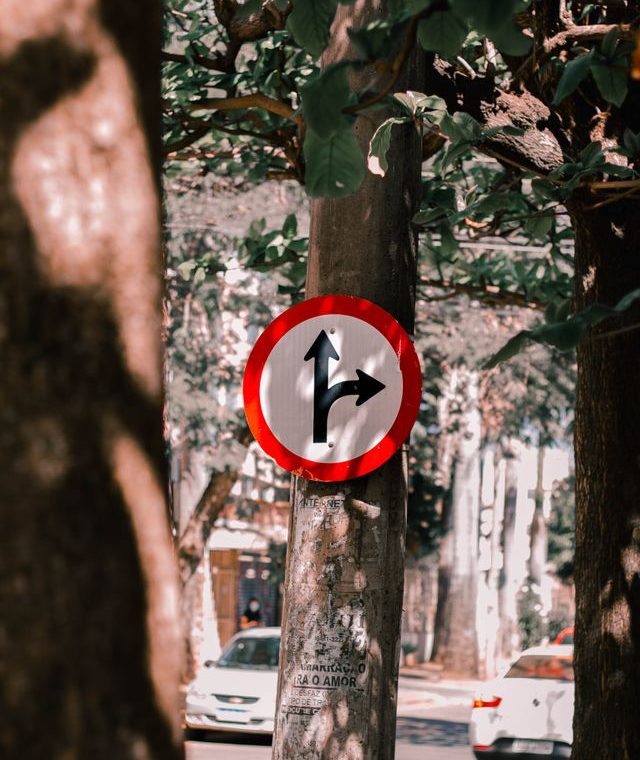
Imagine two possibilities.
You walk away and later discover that the thing would have succeeded.
You continue and later discover that it was never going to work.
Which regret feels worse?
For many of us, the first one does.
Because walking away creates a very specific kind of pain:
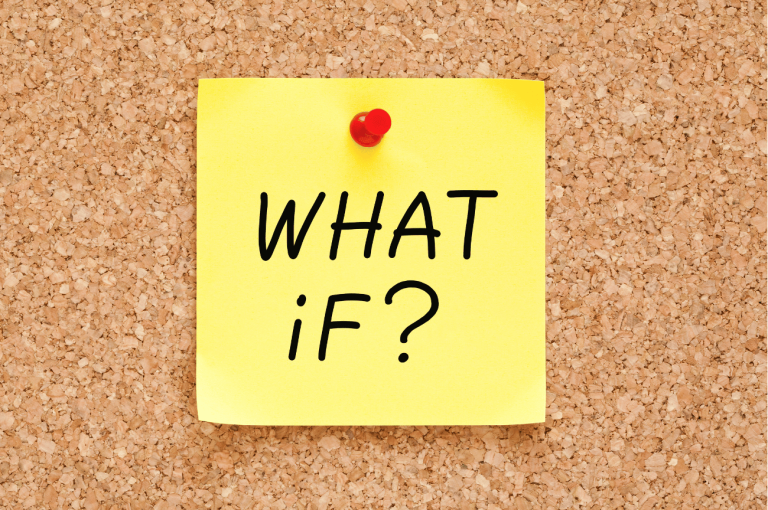
“What if?”
What if I had stayed?
What if I had tried one more time?
What if things had changed?
What if I gave up too soon?
So we sometimes choose the certainty of continuing over the possibility of regret.
Even when continuing has a cost.
And that cost can be enormous.
The loss created by continuing.
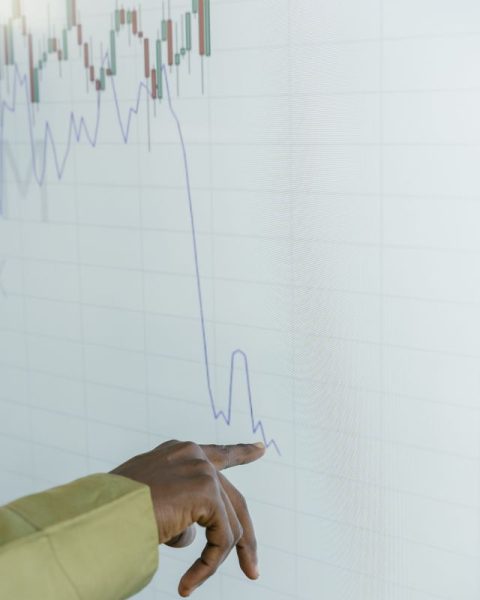
Every additional dollar invested in something that isn’t working is a dollar that cannot be invested elsewhere.
Every additional year spent in a career you have outgrown is a year you cannot spend building another one.
Every additional hour spent defending a failing strategy is an hour unavailable for a better strategy.
Every additional piece of energy spent protecting an old identity is energy you cannot use to build a new one.
In other words:
Walking away can feel like a loss.
But sometimes staying is also a loss.
We just don’t experience it in the same way.
One is immediate and visible.
The other is gradual and often invisible.
And invisible costs can be remarkably easy to ignore.
The better question isn’t:
“How much have I already invested?”
It is:
“If I were starting today, knowing what I know now, would I choose this again?”
And then ask another:
“If I walk away, what am I actually losing, and what am I freeing up?”
Because sometimes what looks like giving up is actually releasing resources.
Money.
Time.
Energy.
Attention.
Capacity.
And perhaps most importantly: possibility.
This may be the hardest part to accept.
Not everything we invest in will work.
Not every decision will turn out to be right.
Not every dream will survive.
Not every version of ourselves will make it to the next chapter.
And that’s okay.
An experience doesn’t have to produce the outcome we wanted in order to have produced something of value.
It may have given us knowledge.
Experience.
Relationships.
Perspective.
Resilience.
Clarity.
Or simply a very expensive lesson in what not to do again.
The fact that something ended doesn’t erase what it taught us.
And walking away doesn’t mean the investment was meaningless.
It means the investment has already been made.
The question now is what we do with what remains.
Stop.
Look at the numbers.
Look at the evidence.
Put the ego down for a minute.
Ignore what you’ve already spent.
Ask what the future actually looks like.
Then decide.
Not to prove that you were right.
Not to make the past worthwhile.
Not to avoid the discomfort of admitting that something didn’t work.
But because the person you are becoming deserves a say in where your remaining resources go.
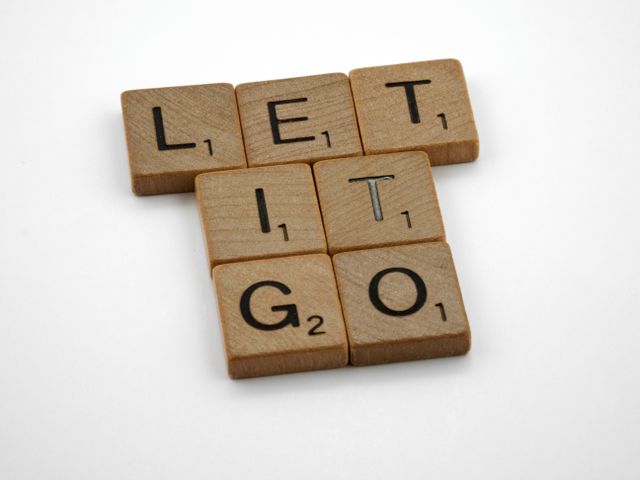
You don’t have to keep paying simply because you’ve already paid.
And you don’t have to keep holding something just because letting go feels like losing.
Sometimes you aren’t losing the thing.
You’re losing the obligation to keep investing in it.
Now that might be the better deal.
– Insights by Norra Ismail
Your email address will not be published. Required fields are marked *
Comment *
Name *
Email *
Website
Save my name, email, and website in this browser for the next time I comment.
A good talk should give people something to think about – and, ideally, something worth taking with them afterwards.
If you found this post helpful and you think it can help someone else, please share it.
It takes time to come up with meaningful content. If you appreciate the content and would like to help me rebuild my life after a profound loss, please consider making a contribution.



Leave a comment